
Nursery Furniture Checklist for UAE Early Childhood Centres
A room-by-room list of the furniture a nursery or early childhood centre (ECC) usually needs, from the baby room to the sleep room. It also covers how to plan the right amount of furniture for the space you have.
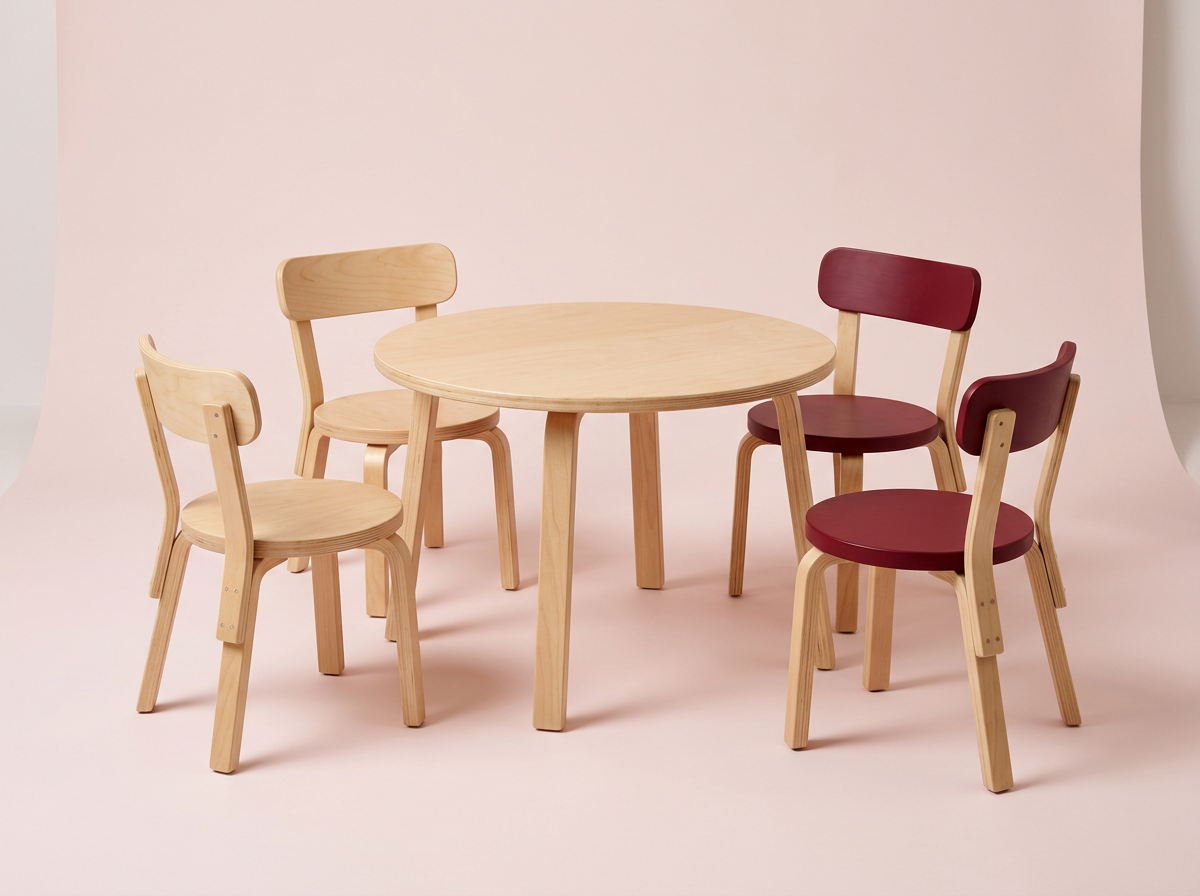
Quick answer: Before you buy anything, confirm how many children each room is approved for under your licence. Then furnish each room for that number: cribs or rest mats, chairs with backs and tables at the right height, low open shelving fixed to the wall, and a cubby for every child. Choose rounded, stable, non-toxic and easy-to-clean furniture throughout.
1. Check Your Licence Conditions First
Nurseries are one of the fastest-growing parts of UAE education, and every centre is licensed by an authority in its emirate. That authority’s conditions, together with the Civil Defence approval for the building, decide how many children each room can take and what the rooms must contain.
Those conditions are updated from time to time and differ between emirates, so we don’t repeat them here. Get the current version from your licensing authority or your consultant before you plan the furniture. The official documents listed under further reading are a good starting point.
Good practice that applies everywhere
- Furniture that is sturdy, hygienic, non-toxic and safe for small children.
- Tall or heavy furniture fixed to walls or floors, and screens securely mounted.
- Chairs with backs for young children, at a seat height that suits them.
- Table tops at a comfortable height for the children using them, with a seat for every child.
- Washable floor mats rather than fixed carpets, laid so they are not a trip hazard.
- Safe cribs for babies, with enough space between them.
- No spare or unused furniture stored in children’s areas.
2. How Many Children (and Chairs) Fit in Each Room
Once you know the space-per-child figure that applies to your centre, use this simple formula for each room:
Maximum children = usable floor area (m²) ÷ space per child (m²)
Usable floor area normally means the play and learning space only, not corridors, toilets, offices, stores or the kitchen. Confirm with your authority exactly what counts.
Furniture takes up floor too, so plan for children to sit at tables in groups of 4–6 rather than all at once. A common setup has enough seats for the whole group at mealtimes, with the tables doubling as activity tables.
Ready to order? See our kindergarten furniture range for tables, chairs and storage in each early years size, or our Montessori furniture for Montessori rooms.
3. Furniture Sizes by Age
For young children, getting the height right matters more than anything. The European standard EN 1729 gives these sizes for the youngest groups:[1][2]
| Size mark | Colour | Child’s height | Seat height | Table height | Typical group |
|---|---|---|---|---|---|
| 0 | White | 80–95 cm | about 210 mm | about 400 mm | Toddlers under 3 |
| 1 | Orange | 93–116 cm | 260 mm | 460 mm | FS1 / Pre-KG (3–4) |
| 2 | Violet | 108–121 cm | 310 mm | 530 mm | FS2 / KG (4–5) |
Size 0 values are approximate. Check seat height against the children: feet flat on the floor, knees at roughly a right angle.
For a full size chart from nursery to secondary, see the desk and chair height by age guide. To check one child, use our desk and chair height calculator.
4. Room-by-Room Furniture Checklist
Baby room
- Cribs for babies, with clear space between them
- An evacuation crib on wheels
- Changing station with storage and a raised edge
- Low feeding chairs or high chairs with harnesses
- Soft, washable floor mats for tummy time and crawling
- Low, stable push-along and pull-up furniture
- Adult nursing or feeding chair for staff
- Lockable storage, out of reach, for nappies, creams and records
Toddler room
- Low group tables (size 0) with rounded corners
- Chairs with backs (size 0) rather than stools
- Stackable cots or rest mats for nap time
- Low open shelving, fixed to the wall, so children can choose toys
- Cubbies or coat hooks, one for each child, for bags and spare clothes
- Book display at child height
- Sand and water table with a drain
FS1 and FS2 rooms (3–5 years)
- Activity tables in sizes 1 and 2, in rectangles, rounds or trapezoids that join into groups
- Matching chairs with backs, one per child
- Reading corner: low book racks, soft seating and cushions
- Art area: double-sided easel, drying rack, wipe-clean table
- Role-play furniture: kitchen, shop or home corner
- Block and construction storage with labelled tubs
- Teacher’s low table or mobile trolley
- Cubbies with name labels; a cloakroom bench
Shared spaces
- Dining tables and chairs for the largest lunch sitting (see canteen furniture)
- Sleep room or rest area with proper cots or mats
- Indoor gross-motor area: soft play, mats and padding
- Outdoor play: UV-stable benches, tables and shaded seating (see outdoor furniture)
- Small library or story room (see library furniture)
- Reception: parent seating, a counter and lockable record storage
- Staff room and offices: desks, chairs and staff lockers (see office desks)
- Pantry with lockable cupboards; separate storage for cleaning products
5. What to Check Before You Buy
| Check | What good looks like |
|---|---|
| Edges and corners | Rounded corners and edges; no sharp metal or exposed screw heads |
| Finger traps | No gaps that can trap small fingers in hinges, folding parts or between table tops |
| Stability | Chairs and tables don’t tip when a child leans or climbs; tall units come with wall fixings |
| Materials | Non-toxic, low-emission finishes; ask for the material and paint specification |
| Cleaning | Smooth, wipe-clean surfaces that tolerate daily disinfecting |
| Fire | Soft furnishings that meet the fire safety requirements for your building; check with your consultant |
| Cribs | Safe bar spacing, a firm mattress that fits well, and no loose parts |
| Quantity | Enough seats for every child at once, plus a few spares |
If you need furniture made to fit an unusual room, a local manufacturer can make tables and storage to exact sizes and in your colours.
6. Mistakes We See in New Nurseries
- Buying before room capacity is confirmed. If the usable area turns out smaller than expected, you end up with furniture you can’t use.
- Stools instead of chairs. They look neat, but young children need back support to sit well.
- Fixed carpets in classrooms. Washable mats are easier to keep clean.
- Shelving not fixed to walls. Unfixed tall units are a real tipping risk.
- Adult-height storage in children’s rooms. Children should reach their own toys and bags; staff storage belongs up high or in a separate store.
- Leaving furniture to the last month. Rooms need to be furnished and installed well before opening, so order early.
Opening a Nursery?
Send us your floor plan and age groups. We will return a room-by-room furniture list sized to your capacity.
Frequently Asked Questions
How much space does each child need in a nursery?
It depends on the emirate, the children’s ages and your licence conditions. Confirm the current figure with your licensing authority, then divide each room’s usable floor area by that figure to find its capacity.
What furniture does a nursery need?
Usually cribs or rest mats, child-sized tables and chairs with backs, low shelving fixed to the wall, cubbies for each child, changing and feeding furniture, and storage for staff.
What size chairs do nursery children need?
Toddlers usually need EN 1729 size 0 (seat about 210 mm), FS1 children size 1 (260 mm) and FS2 children size 2 (310 mm). Check the fit against the children: feet flat on the floor.
Should nursery children use stools?
Chairs with backs are the better choice, because young children need back support to sit well. Check your licence conditions for any specific requirement.
Can you make nursery furniture to our room sizes?
Yes. Everything is made to order, so tables, chairs and storage can be sized and coloured for your rooms. Send your floor plan and age groups.
Further Reading
- CATAS, Chairs and tables for educational institutions: what do the standards prescribe? catas.com (PDF)
- SATRA Technology, EN 1729 size mark and colour guide. satra.com
- KHDA, guidance for opening an early childhood centre in Dubai. khda.gov.ae
- ADEK, Early Education Institutions Physical Environment Policy. adek.gov.ae (PDF)
Please note: This guide is general information only. It is not legal, regulatory or compliance advice. Requirements change and differ by emirate, so always confirm current requirements with your licensing authority and consultant before you fit out.
More Guides
Madrasati is a school furniture supplier in the UAE with its own factory. See our kindergarten and nursery furniture or request a quote.